Why This Trek Matters
I had been hiking for eight years before I attempted the Overland Track. I thought I was prepared. Tasmania had other plans.
What makes this trail different from anything else I have done in Australia is not the distance or the elevation - it is the sheer unpredictability. You can experience four seasons in a single day. I started Day 3 in blazing sunshine, ate lunch in horizontal rain, and set up camp in snow. In February.
But that same unpredictability is what makes it extraordinary. There were moments on this track - standing on Cradle Mountain's summit with clouds swirling below, walking through ancient rainforest older than the dinosaurs, watching wombats graze outside my tent at dusk - that felt almost unreal.
Day-by-Day Breakdown
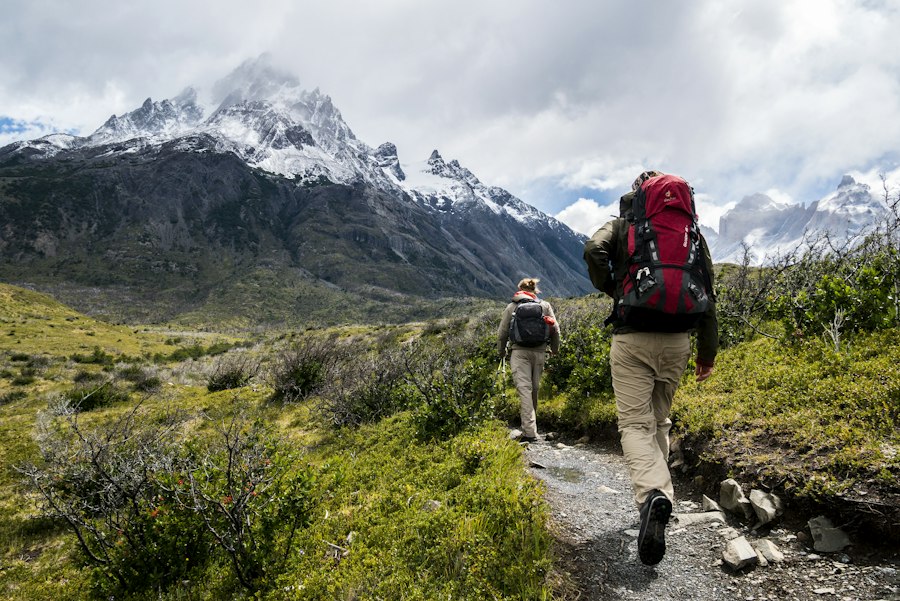
Day 1: Ronny Creek to Waterfall Valley (10.9km)
You start at Ronny Creek after the shuttle from the visitor centre. The first decision: summit Cradle Mountain (1,545m) today or save it for better weather. I went for it despite cloudy forecasts and got lucky - the clouds cleared just as I reached the summit.
The scramble to Cradle's summit is not technically difficult but requires hands in places. It adds about 3 hours and significant elevation to an already big day. I arrived at Waterfall Valley hut absolutely spent but buzzing from the views.
Day 2: Waterfall Valley to Lake Windermere (8.4km)
The shortest day on paper but do not underestimate it. The track crosses exposed alpine plateau with zero shelter. When I did it, the wind was gusting so hard I had to crouch behind rocks several times. A woman in my group turned back because she could not stay upright.
Lake Windermere hut is basic but the setting is spectacular - right on the lake shore with button grass plains stretching to the horizon.
Day 3: Lake Windermere to Pelion Hut (16.8km)
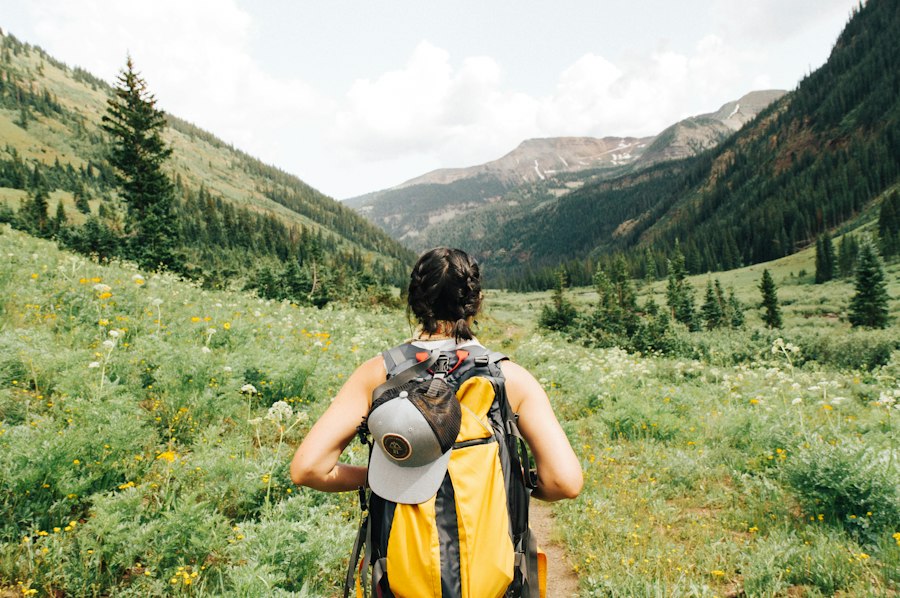
The longest day and the one that broke me a little. You descend from alpine into rainforest, which sounds like relief but actually just means mud. Endless, ankle-deep, boot-sucking mud.
But then you emerge at Pelion Plains and the world opens up again. Mount Oakleigh and Mount Pelion East dominate the horizon. The hut here is the best on the track - an old forestry cabin with a wood stove. I spent the evening drying my socks and wondering what I had got myself into.
Day 4: Pelion Hut to Kia Ora Hut (9.6km)
Side trip day. The main track is easy, but I added Mount Ossa - Tasmania's highest peak at 1,617m. The detour is not marked on the main track and requires navigation skills. I got slightly lost on the descent and added an unplanned hour to my day.
The summit views were worth it though. On a clear day you can see across the entire Central Plateau.
Day 5: Kia Ora to Windy Ridge (10.2km)
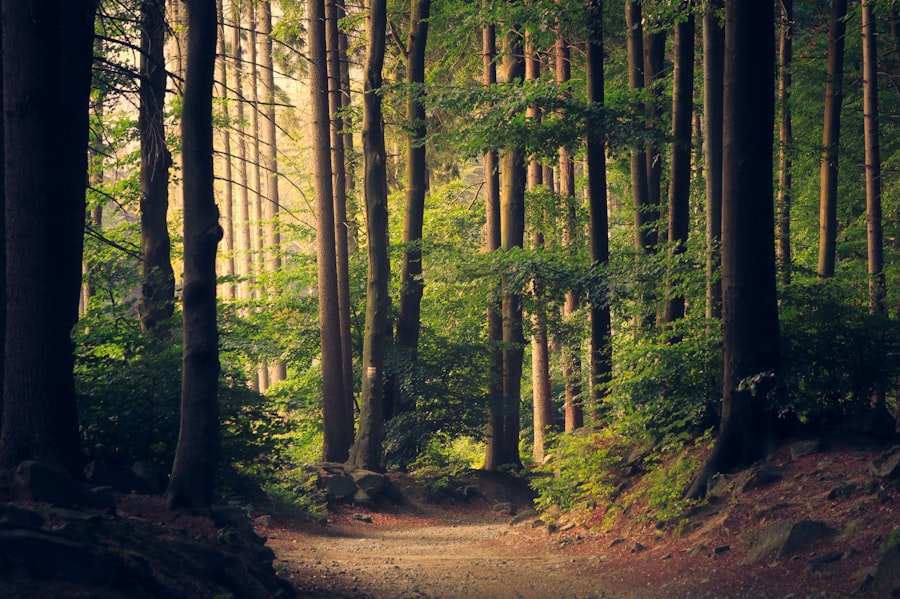
Into the temperate rainforest proper now. The track winds through myrtles and King Billy pines that have been growing since before European settlement. The forest floor is carpeted with cushion plants and mosses that glow green even in dim light.
D'Alton and Fergusson Falls are the highlights - massive cascades that dwarf anything on the mainland.
Day 6: Windy Ridge to Narcissus to Lake St Clair (9.3km)
The final stretch to Narcissus Hut is cruisy. From there you have options: continue walking to Cynthia Bay (17km additional) or catch the ferry across Lake St Clair. I took the ferry - my feet were done, and the boat ride across Australia's deepest lake felt like a fitting finale.
The Overland Track is not about proving anything to anyone. It is about spending a week in one of the world's last great wilderness areas and letting it work on you. I came out different than I went in.
Essential Gear That Made the Difference
- Gaiters: Non-negotiable. The mud sections will destroy your boots otherwise.
- Down jacket + hard shell: You need both. The temperature swing can be 25+ degrees in a day.
- Proper tent: Hut space is not guaranteed in peak season. I slept outside twice.
- Trekking poles: Your knees will thank you, especially on the descents.
- Water treatment: The streams are safe but I filtered anyway out of habit.
Booking and Permits
The Overland Track operates on a booking system during peak season (October-May). Bookings open in April for the following season and popular dates sell out within hours. I booked mine 6 months ahead.
The permit costs around $200 AUD and is strictly enforced - rangers check at multiple points. You can only walk north to south during peak season to manage track congestion. Tasmania Parks has all the booking information.
Fitness Requirements
This is where I need to be blunt. The Overland Track is marketed as achievable for "moderately fit" hikers, and while technically true, I think that undersells the challenge.
You need to be comfortable walking 6-8 hours per day with a heavy pack (mine was 18kg including food and shelter). You need to handle significant elevation changes, including some scrambling. And you need to do all of this potentially in sideways rain and 5-degree temperatures.
My Preparation
- Six months of regular hiking, building to 25km days with full pack
- Specific stair training - the hut approaches can be brutal
- Two practice overnights with full gear to test systems
- Gym work focusing on legs and core stability
When to Go
The track is open year-round but conditions vary dramatically:
December-February: Warmest weather (relatively), longest days, but also busiest. I did it in late February and had decent conditions despite one brutal weather day.
March-April: Autumn colours, fewer crowds, but increasing cold and rain. The fagus forests turn gold and it is apparently spectacular.
October-November: Spring. Wildflowers but also snow at altitude. Weather is extremely variable.
May-September: Winter. No booking required but serious alpine conditions. Only for experienced winter hikers with appropriate gear.
Would I Do It Again?
Already planning my return. I want to do it in autumn for the fagus, and I want to take all the side trips I skipped the first time - Pine Valley, The Acropolis, Mount Doris.
The Overland Track is Australia's premier multi-day walk for good reason. It is challenging, yes, but the challenge is the point. You earn those views. You earn that feeling of walking into Cynthia Bay after six days in the wilderness.
If you are considering it, do not overthink it. Book a date, train properly, pack for the worst weather you can imagine, and then go. You will not regret it.